When people think of pilates they usually think of abs, and core, but not always shoulders. But, pilates is about strengthening the whole body and the shoulder girdle is just as important as other parts of your body.
What is the shoulder girdle? Is it a new "Spanks kind of thing" to make our shoulders slimmer?
No, The shoulder is not a single joint, but a complex arrangement of bones, ligaments, muscles, and tendons that is better called the shoulder girdle. The primary function of the shoulder girdle is to give strength and range of motion to the arm. The shoulder girdle includes three bones—the scapula, clavicle and humerus. (health pages.org)
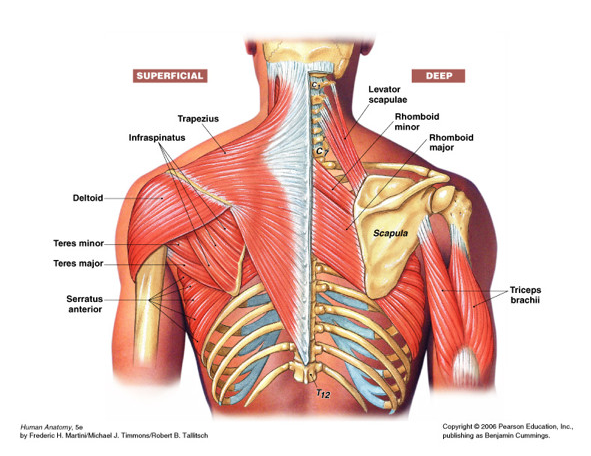
Pretty important, right? Did you know that shoulder pain is the 3rd most common cause for consultation? As someone who has had a shoulder injury I know how debilitating it can be and how amazing it feels to have no more pain and to feel strong. Pilates has made a huge difference in my life and especially when it comes to my shoulder. By listening to your body and modifying exercises you can rehabilitate painful shoulders and/or prevent injury.
Causes of Shoulder pain- sitting all day at a desk, forward hunched shoulders, stress, shoulder overuse, injuries, pinched nerves, lung diseases (The Pilates Works November 2017)
This has been proven in the following studies.
What is the shoulder girdle? Is it a new "Spanks kind of thing" to make our shoulders slimmer?
No, The shoulder is not a single joint, but a complex arrangement of bones, ligaments, muscles, and tendons that is better called the shoulder girdle. The primary function of the shoulder girdle is to give strength and range of motion to the arm. The shoulder girdle includes three bones—the scapula, clavicle and humerus. (health pages.org)
Pretty important, right? Did you know that shoulder pain is the 3rd most common cause for consultation? As someone who has had a shoulder injury I know how debilitating it can be and how amazing it feels to have no more pain and to feel strong. Pilates has made a huge difference in my life and especially when it comes to my shoulder. By listening to your body and modifying exercises you can rehabilitate painful shoulders and/or prevent injury.
Causes of Shoulder pain- sitting all day at a desk, forward hunched shoulders, stress, shoulder overuse, injuries, pinched nerves, lung diseases (The Pilates Works November 2017)
How Can Pilates Help?
The muscles in your shoulder girdle serve a postural role. Pilates can teach you how to use these muscles more effectively and make them healthy and strong. Pilates has a whole body approach and teaches you how to be in better alignment which promotes better posture and reduces occurrence of injury.This has been proven in the following studies.
Todd pointed out that the movements of the body are mainly controlled by the lumbar and deep pelvic muscles. It is therefore essential to increase the stability of the lumbo-pelvic region to increase functional movements of the shoulder which may help improve the stability of the scapular region. Stabilization of the scapula is needed for daily movements of retraction and depression of the scapula and assisting the acromion to be positioned correctly (Todd, 1980).
Stability is critical for optimal muscle contraction. Muscle is attached at both ends to the bones. If there is absence of muscle stability at either end of the muscle, it will not be able to produce an efficient movement. The stabilization of one end of the muscle allows the powerful contraction to be focused on the moving lever. In this way, the intended movement is performed by the recruitment of only a few muscle motor units (section of muscle that is controlled by the brain neuron instructions), thereby making the movement easier and more efficient (Fitt, 1996).
I'm having some pain. I'm taking pilates. Now what should I do?
- Listen to your body. If something is painful stop doing it.
- Tell your instructor what is bothering you so they can help you modify.
- Better yet, schedule some individual classes so they can help you come up with a more personalized plan.
- Avoid overhead impingement.
- Do exercises with your arms by your sides.
- Focus on drawing shoulder blades back and down and not winged.
- Strengthen
- lower trapazoid
- mid trapezoid
- rhomboids
- serrates anterior
- rotator cuff
- Stretch
- pectoral muscles
- lattisimus dorsi
Shoulder Injury- Strengthen Flow- 20/30 min
Rolldown
|
Shoulders back
| |||||
Footwork
|
On reformer
|
Neural spine
|
2 red 1 blue- lighter if needed. If tall, move carriage so shoulders don’t press on block. Put extra pad on shoulder blocks if needed
|
Parallel heels/no arms
|
Concentrate on keeping shoulders down and clavicle pen. Energy through fingers. Pelvic stability
| |
Pilates V/ arms at sides
|
Turn out arms from elbows to work on rotator cuff mobility
| |||||
Parallel toes/ hammer curls
|
***all footwork can be done with no arms if bothers shoulders
| |||||
Hundreds
|
With or without straps
|
Hands to sky- do not go overhead. Movement initiates from armpits to avoid shoulder strain
| ||||
Rollup
|
Knees over bar
|
Arms 3/4 way-not over head
| ||||
Long Box
|
Box on Reformer
|
Feet on Mat
|
1 Blue
|
Shoulder Isolations
| ||
On reformer
|
Facing Straps
|
Chest Expansion
|
Do not bring hands past hips
| |||
Facing Straps
|
Tricep
| |||||
Facing Footbar
|
Swan Prep
|
Gently bend elbows in and out warming up shoulders. This may be enough
| ||||
Swan
| ||||||
Final Rolldown
|
Shoulder roll back
| |||||
Head to ear
| ||||||
Look over shoulders
| ||||||
| **Progress exercises and springs as client gains strength and is not feeling any pain | ||||||
Comments
Post a Comment